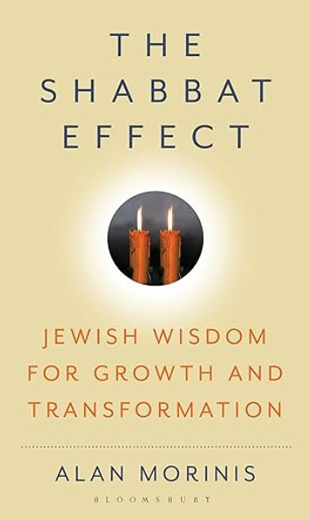
It seems that there is a major book on the meaning of Sabbath once every couple decades. Abraham Joshua Heschel’s The Sabbath is the true classic, first published in 1951. Wayne Muller’s Sabbath, in 1999, was also wonderful. It remains to be seen if the book under review will have the impact on readers that those two had, because this one is somewhat different.
Both Heschel and Muller focus on the playfulness, joy, and wonder of Sabbath, or “Shabbat,” as it is in Hebrew, and its opportunities to rest and be with the Divine outside of life’s daily demands. Morinis does some of this, but in contrast focuses more on how Shabbat observance and practice is designed, according to the teachings of the Lithuanian-Russian Rabbi Yisrael Salanter (1809-83), to refine one’s character.
Morinis is an expert in Mussar, a Jewish spiritual and ethical tradition founded by Salanter that focuses on traits called middot in Hebrew, which translates to “virtues” in English. Generosity. Compassion. Kindness. Truthfulness. These are all fostered — or better, built — by fully observing the commandment to keep the Sabbath holy.
Morinis explains throughout how a character trait practiced on the day of the week set aside for transforming holiness can then, “with practice and experience, get ingrained in you, and thus become characteristic of who you are in general,” and how that’s the true purpose of Shabbat.
He wants readers to journal while they read his book, using it to reform their Shabbat practice: “Journaling fosters awareness in two ways. By reviewing the day that has just ended, you cast an eye over your experiences, and that review can make you more aware of things you actually overlooked in the hustle of the day or that you noted at the time but then promptly forgot. And once you get into the practice of journaling, just knowing that you will be facing your diary at the end of the day can cause you to sharpen your attention to events as they are happening to you.”
In the end, this book will likely appeal most to Jewish readers looking to understand Shabbat from a uniquely Jewish perspective.