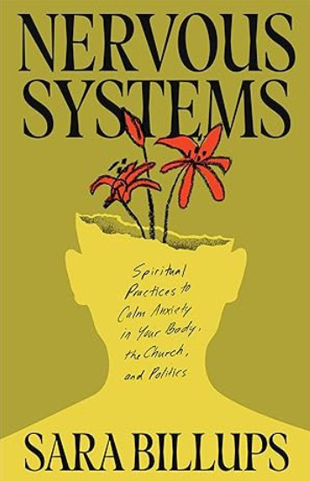
“It’s easier for embodiment to hover as a theoretical concept when you are physically healthy and are not trying to find relief from pain or illness in your body. Although arguably when pain is staring us in the face, embodiment as a practice becomes more essential. It’s also easier to talk about embodiment when you are of a dominant racial, gender, sexual, and socioeconomic identity.
“Anthropologically and theologically, embodiment makes sense. But I found that, probably because I’ve become skeptical of the way wellness culture is attached to embodiment as a vibe, I had also become resistant and hesitant to adopt the kind of embodiment that leads to body acceptance of my exceptionally average but perfectly healthy body. Eventually, I realized I was just being defensive because embodiment would force me to handle the awkward and detached parts of myself I would prefer not to touch. I started to differentiate between embodied wellness culture, which was a by-product of capitalism sold by influencers, and practices for spiritual and physical well-being.”