Errol Morris' film The Fog of War, which won the Best Documentary Academy Award in 2004, asked whether the United States could learn from the mistakes of the past or is the nation doomed to replay critical errors again and again? From the evidence presented in Morris’ latest documentary, the nation is not learning anything. Indeed, one of the biggest catastrophes of the last ten years is about to be repeated in 2025 under the new Trump administration.
Morris’s film is based on the book by NBC News and National Correspondent Jacob Soboroff’s book Separated: Inside an American Tragedy in which he reported on the program of family separations at the U.S. borders The documentary traces the history of this policy beginning with the unaccompanied children program designed to protect children who arrive at the border by themselves. Many were fleeing gang violence and poverty in their home countries. Now they were in a foreign country where they did not know the language, had no money, and no parents. The government was to help find any relatives in the States.
With the first Trump administration, the focus changed. Now parents and children were separated at the border. When the parents were then deported, the children became state-created orphans. It was believed that if parents knew they would lose their children, they would be terrified and would not come to the United States.
Jacob Soboroff appears in the documentary to explain elements of his research. Government officials from different departments who were responsible for setting policy and executing the separations explain their positions. Later, when the program was paused, we hear from some of those responsible for reuniting families. An ACLU representative reports that they got a list to work with. They expected 700 names and got a list of 2800 instead. The figures actually turned out to be worse. Out of 4227 children who were separated, 1052 are still (in 2024) not reunited with their parents.
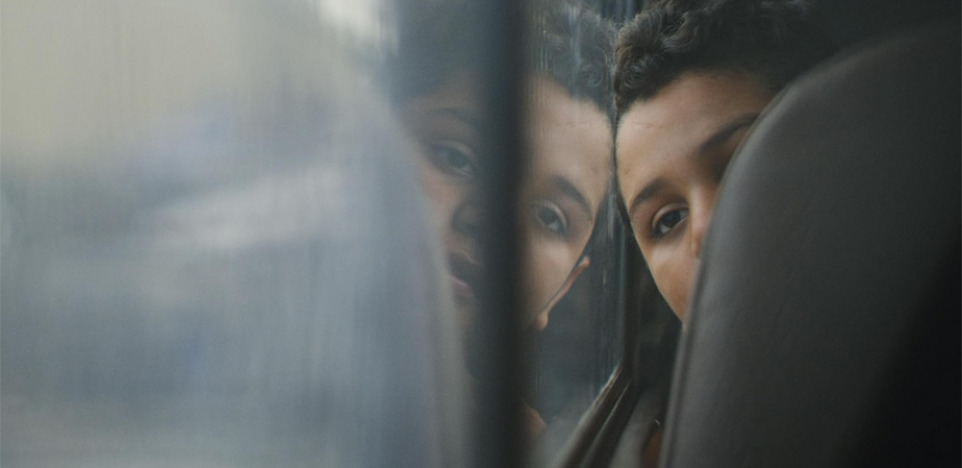
The interviews and reporting throughout the documentary are bound to shock you into wondering how this could happen. But perhaps the most effective segments are narrative. The cameras follow a mother and her son from their home in Central America, through the dangerous trek to the border, and to a detention center. When the boy is taken down one aisle and the mother is pulled in the other, we can feel the heartbreak of their separation. And when they are finally reunited, we see that the boy has shut down emotionally while the mother tries desperately to get through to him.
This is just one fictional story. Multiple it by thousands of real-life stories, and we can only pray and work to prevent this from happening again.