We don’t watch many horror films; truth be told, we avoid them. Watching scary, violent, bloody, unreasonable stories designed to engage our fears and create adrenaline rushes and thrills just doesn’t seem like a good use of our time or an entertaining activity. We know that many people, especially youth, enjoy a bonding experience watching horror, but, as the saying goes, we don’t run around with those folk. We think there are better ways to face fears, explore taboos, and have an emotional release.
So imagine our surprise when we discovered ourselves really appreciating two recent horror films. Director Natalie Erika James’s 2020 film Relic is an imaginative and moving depiction of dementia’s toll on a family told through the horror movie standard of the haunted house. Mother and Daughter go to visit Grandmother, who is living in an isolated country house. They know she is in the early stages of dementia but not that the house itself is mirroring back to them what that looks and feels like. They realize that something else has entered her body and the house itself, its power threatening all three of them. This, we realize as viewers, is dementia. The horror movie approach gives us a different perspective on this disease and its effects.
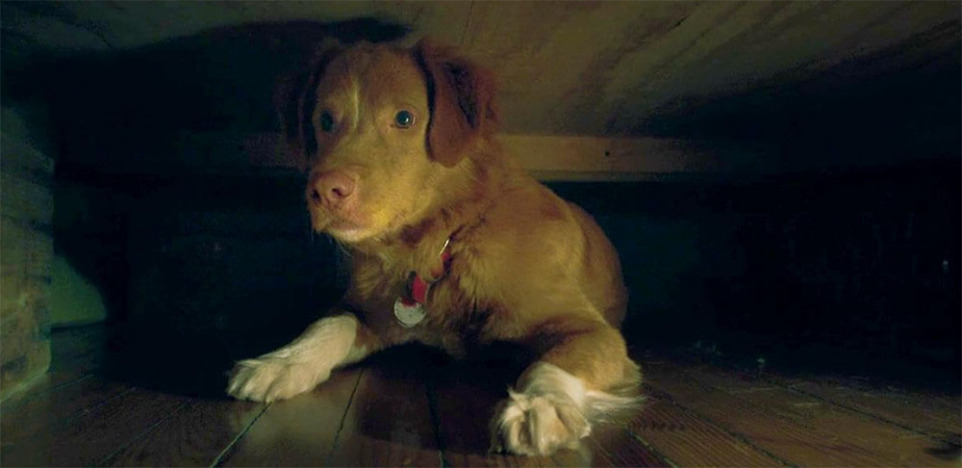
The second movie is this year’s Good Boy, directed by Ben Leonberg, whose own dog, a Nova Scotia Duck Tolling Retriever named Indy, is the very impressive star actor. Home videos of Indy as a puppy show how he has become attached to his human companion, Todd. And that bond will be tested when the young man decides to move to a country house left to him by his grandfather. Todd is suffering from some kind of disease and makes this move over the objections of his sister, who is convinced the house is haunted.
The place certainly does fit the haunted house horror trope. It’s dark, damp, dusty, and cluttered. As Todd rests in bed, Indy explores, and he clearly is uncomfortable with what he senses. Senses is the right word because neither Todd nor the viewer sees what the dog perceives in an empty corner or the threatening spirit in the basement. And is that really a dog’s whine coming out of the outdoor entrance to the basement? Some dark earth-covered beings emerging from the shadows are enough to convince us that something is very wrong here, something that threatens Todd’s very existence.
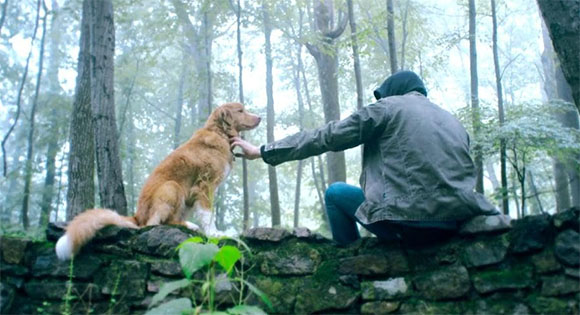
Todd and Indy wander around the area, including the cemetery where his grandfather is buried. A neighbor informs them that the old man’s dog disappeared after his death and they don’t know what became of him. Todd gets sicker and even gets angry at Indy, leaving him outside in the rain one night. But their bond is strong, and Indy is determined to keep Todd from being carried away by the menaces in the house.
Director Leonberg films the entire story from the dog’s point of view. We see furniture legs and human legs but not faces. Knowing that dogs have a keen sense of smell, we realize that Indy is picking up on presences and imminent threats that others would not recognize. When Todd seems to be making a bad decision, Indy gives him an intense stare and tilts his head. (We agree with critics who call this one of the best animal performance of all time!)
The film is a good example of how the horror genre can be used to give us a different perspective on illness and death. Through what he perceives in the house, Indy recognizes the toll Todd’s illness is taking on both of them. Illness is in the corners, the basement, all around them; no matter how much he tries, Indy can’t stop it. By focusing the story on what is happening to Indy as he watches Todd decline, Leonberg gives us a new understanding of the mystery of illness and impending death. It can be a horror story, or it can be a love story. You decide.