Dystopian stories show us a toxic society or world conflict characterized by social disorder and chaos, anger and despair among the powerless, and class warfare. Violence is accepted as part of the natural order of things. The environment has been destroyed with dire consequences for humans. And individualists and freedom fighters are persecuted by the authorities.
If you look closely at any of these developments, you can usually find the seeds of them in our world today. We watch dystopias in order to see where we are going unless we change course.
Civil War is set in a dystopian world in the not too distant future. The United States is divided into a rebel group led by an alliance of California, Texas, and Florida, against a despotic government run from Washington D.C. The rebels are advancing on the capital and a team of journalists are trying to get there before them.
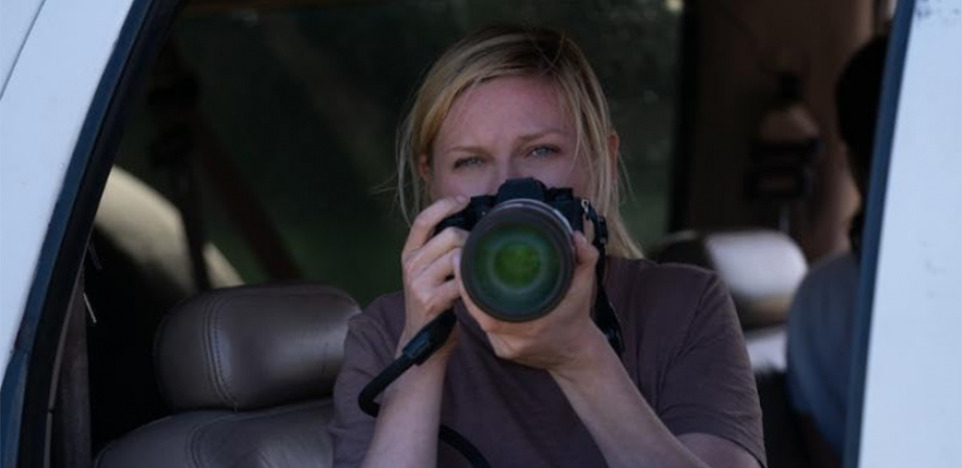
They are war photographer Lee (Kirsten Dunst), who was named after famed World War II photographer Lee Miller; journalist Joel (Wagner Moura); and their mentor, an older journalist Sammy (Stephen McKinley Henderson). Jessie (Callee Spaeny), as aspiring photojournalist who idolizes Lee, joins them. In D.C. they want to interview the President (Nick Offerman) who has given himself a third term.
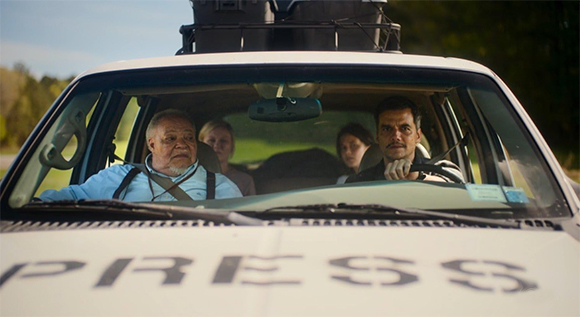
While getting there, even traveling on back roads, the group encounters battles between armed militias, snipers shooting at unseen and unidentified enemies, and mass graves. After meeting up with two friends, both Asian, they run into a militia group. The leader (Jesse Plemons), all dressed in red, asks what kind of Americans they are, then shoots the Asians. The violence is random and persistent.
All this becomes a learning experience for young Jessie. She repeatedly takes risks to get photographs, so that by the time they get to the White House, she is nearly immune to anything she will see. She been told that the journalists’ role is to record and ask questions, not to pontificate or conclude.
There are enough similarities between what is said and done in Civil War for us to conclude that it is a playing out in the future of the discord and threats of violence being made in the United States from 2021 (when the Capitol in D.C. was attacked by an armed mob) to 2024 (when violence was predicted if the presidential election results did not satisfy certain constituencies.)
It's not necessary, however, to connect specific dots between today’s attitudes and events and the film’s. It’s enough to realize that what we see in the film is not new in American history and to avoid it, citizens are going to have to pay attention.