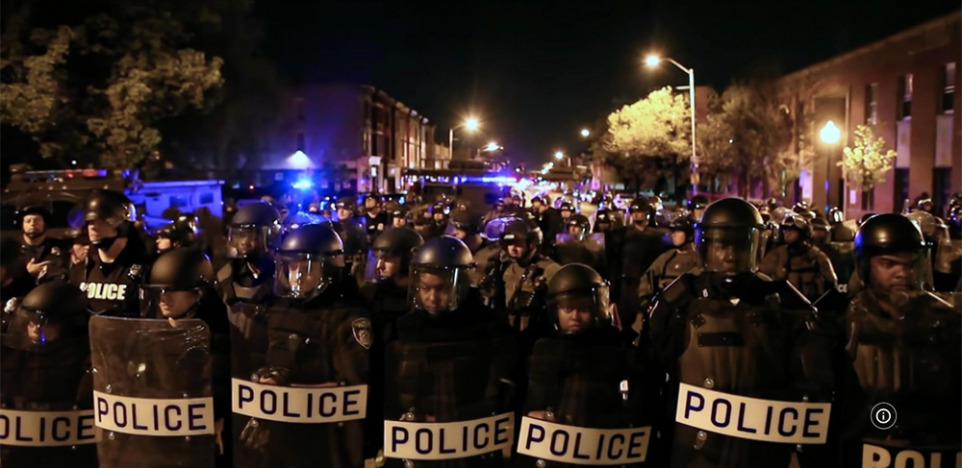
This prophetic documentary uses historical materials, contemporary film clips, and commentaries by experts to examine how the police have become a growing and largely unchecked authority. The police, not necessarily the facts or a situation, decide who is apprehended or stopped and why. They use the threat of violence to set expectations and demand obedience.
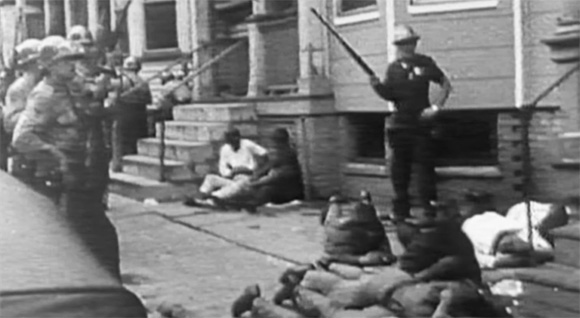
The history of police power is fascinating, fraught with political and cultural influences that are often unacknowledged. From the slave patrols of the 1700s to publicly funded police forces in the 1800s to police responding to the civil demonstrations in the 1900s and now, the film shows how the power of the police has benefited from widespread public support.
Reflecting on what we learned from this documentary, we found ourselves researching what reforms could lead to a more just and compassionate use of police power. Here are a few:
l. Community Policing. In the film, we drive around with an officer whose beat is his own neighborhood. We see how his familiar presence could make a difference compared to bringing in a militarized force from outside.
2. De-escalation Training. Clips in the documentary show police breaking into homes and apartments and using or threatening force. Training programs could teach empathy, active listening, and conflict resolution techniques to be used instead. Restorative justice practices that focus on healing rather than punishment are recommended.
3. Accountability and Transparency. The police need to know they will be held accountable for their actions. This is not always true. Body cameras, dash cams, review boards, and public access to data would increase transparency.
4. Support for Police Professionals. Police departments can offer training in bias reduction, cultural competencies, and mental health interventions.
These kinds of programs would bring the spiritual practices of nurturing, unity, hospitality, and listening into police activities.
GOING DEEPER
This passage from African spiritual teacher Malidoma Patrice Some in Ritual describes another approach to policing.
“A true community does not need a police force. The very presence of a law enforcement system in a community is an indication that something is not working. And the presence of the police is supposed to make it work. Such a force is essentially repressive, which means that certain people in such a dysfunctional community do not know how to fit in. A community is a place where there is consensus, not where there is a crooked-looking onlooker with a gun, creating an atmosphere of unrest.
“In my village, houses do not have doors that can be locked. They have entrances. The absence of doors is not a sign of technological deprivation but an indication of the state of mind the community is in. The open door symbolizes the open mind and open heart.”